Loitering Munition Operator Training: What to Expect and How to Plan
Operator training is consistently the most underestimated cost and timeline factor in loitering munition procurement. This guide explains what a comprehensive training program covers, how long it takes, and what to budget for — so your unit achieves operational readiness on schedule.
The Training Gap: Why Systems Fail to Reach Operational Readiness
In our experience delivering loitering munition systems to customers across 15+ countries, the most common reason a system fails to achieve operational readiness on schedule is not technical — it is training.
Procurement timelines routinely underestimate training requirements. A unit that receives a loitering munition system without adequate operator training, sensor interpretation skills, and maintenance capability is not operationally ready — regardless of how capable the platform is.
This guide provides a realistic overview of what comprehensive loitering munition operator training involves, how long it takes, and how to plan for it in your procurement timeline.
Training Program Structure
A complete loitering munition training program covers five modules:
Module 1: System Familiarization (8 hours)
- Platform components and assembly/disassembly procedures
- Pre-flight inspection checklist
- Battery and power system management
- Storage and transport procedures
- Safety protocols and emergency procedures
Module 2: GCS Operation (16 hours)
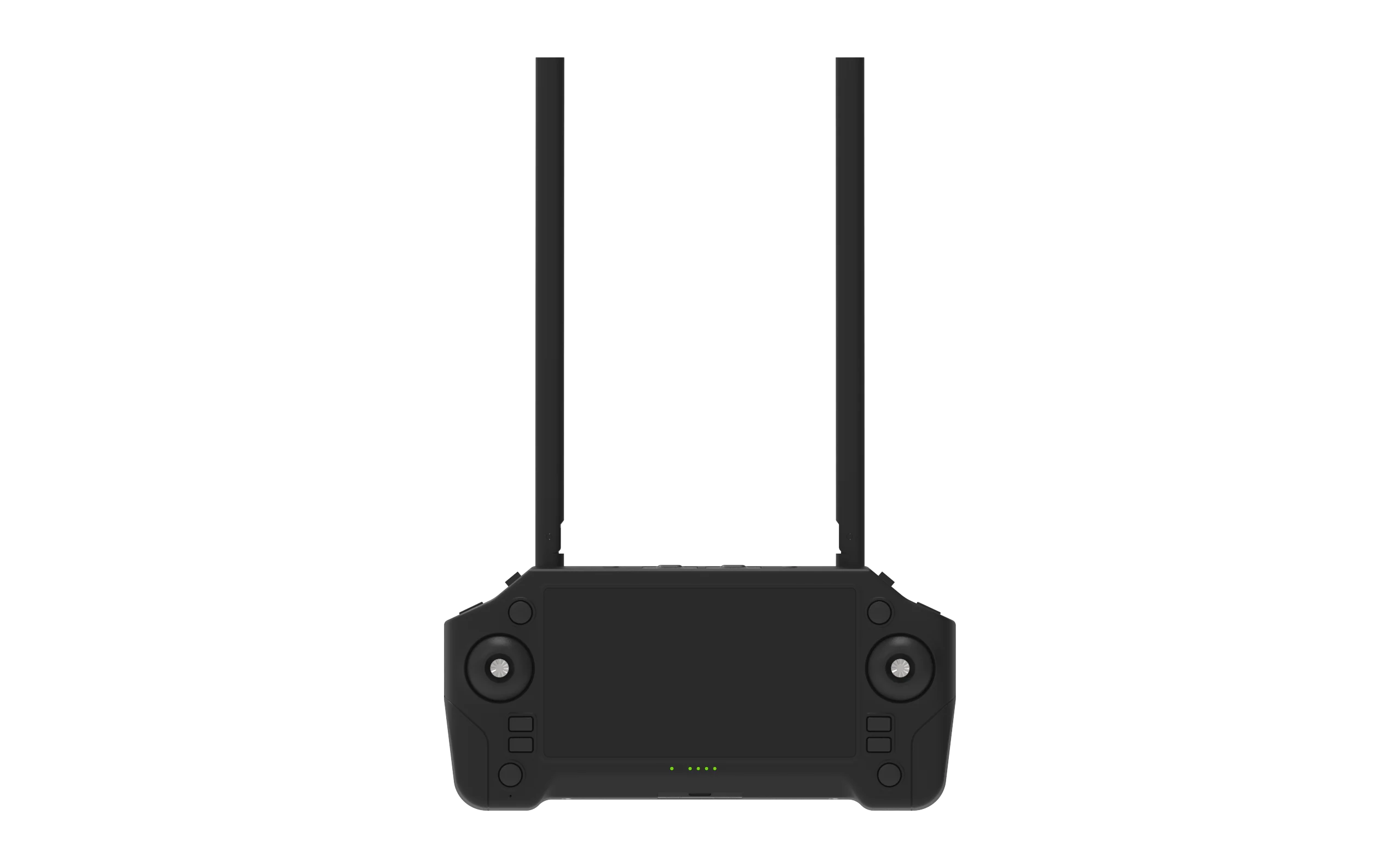
- Ground Control Station (GCS) interface and navigation
- Mission planning: waypoints, search patterns, loiter zones
- Communication system setup and frequency management
- Datalink monitoring and troubleshooting
- Swarm coordination (for multi-unit systems)
Module 3: Sensor Operation & Intelligence Interpretation (16 hours)
- EO/IR sensor operation and gimbal control
- Target detection and classification techniques
- Recording, tagging, and reporting procedures
- Low-light and adverse weather sensor operation
- Pattern-of-life analysis fundamentals
Module 4: Flight Operations (24 hours)
- Simulator training (8 hours) before live flight
- Supervised live flight operations (16 hours)
- Launch procedures (hand throw, tube launch, vehicle launch)
- Normal flight operations and mission execution
- Emergency procedures: lost link, system malfunction, abort
- Recovery and post-flight procedures
Module 5: Basic Maintenance (8 hours)
- Scheduled maintenance procedures and intervals
- Field-replaceable component identification
- Common fault diagnosis and resolution
- Maintenance record keeping
- When to escalate to manufacturer technical support
Training Prerequisites
Operators do not need prior UAV experience, but the following prerequisites improve training outcomes:
- Basic computer literacy (GCS is software-based)
- Ability to read maps and understand basic navigation concepts
- Physical fitness for field deployment (carrying equipment)
- For sensor interpretation module: basic intelligence analysis background is helpful but not required
Training Delivery Options
Option 1: Manufacturer Facility Training
Training conducted at Star United Flight Control's training facility in Xi'an, China. Includes access to full training infrastructure, simulators, and multiple aircraft for concurrent training.
Best for: Initial cadre training for a new system; training of training instructors (ToT) Duration: 9 days (plus travel) Capacity: Up to 12 operators per sessionOption 2: In-Country Training
Star United Flight Control training instructors deploy to your facility to conduct training on-site.
Best for: Large unit training; minimizing travel costs; training in your operational environment Duration: 10–12 days (includes setup and equipment transport) Capacity: Up to 24 operators per session Requirements: Suitable training area for live flight operations; accommodation for 2–4 instructorsOption 3: Train-the-Trainer (ToT)
Initial cadre of 4–6 operators trained to instructor standard, enabling your organization to conduct independent future training.
Best for: Organizations planning to train large numbers of operators over time Duration: 15 days (includes additional instructor methodology module) Requirement: Minimum 2 years of operational UAV experience recommended for ToT candidatesTraining Timeline Planning
For procurement planning purposes, use the following timeline assumptions:
| Training Type | Lead Time from System Delivery | Duration |
|---|---|---|
| Manufacturer facility training | 2–4 weeks (scheduling) | 9 days |
| In-country training | 4–6 weeks (logistics) | 10–12 days |
| Train-the-Trainer | 6–8 weeks (candidate selection) | 15 days |
Training Costs: What to Budget
Training costs are frequently omitted from initial procurement budgets. Include the following in your total cost of ownership calculation:
- Initial operator training: Typically 8–12% of system procurement cost
- Refresher training (annual): 2–3% of system procurement cost per year
- Replacement operator training: Budget for 20–30% operator turnover per year in active units
- Maintenance technician training: Separate from operator training; typically 2–3 days
Certification and Qualification
Upon completion of the training program, operators receive:
- Star United Flight Control Operator Certification (recognized by our technical support team for warranty and support purposes)
- Training completion records for each module
- Access to the Star United Flight Control operator knowledge base and technical documentation portal
Note: National military certification requirements vary by country. Consult your national military aviation authority for any additional certification requirements that may apply.
Contact the Star United Flight Control training division to discuss training program scheduling, in-country training logistics, and Train-the-Trainer program requirements for your organization.