
SG GCS
Heterogeneous UAS
Command System
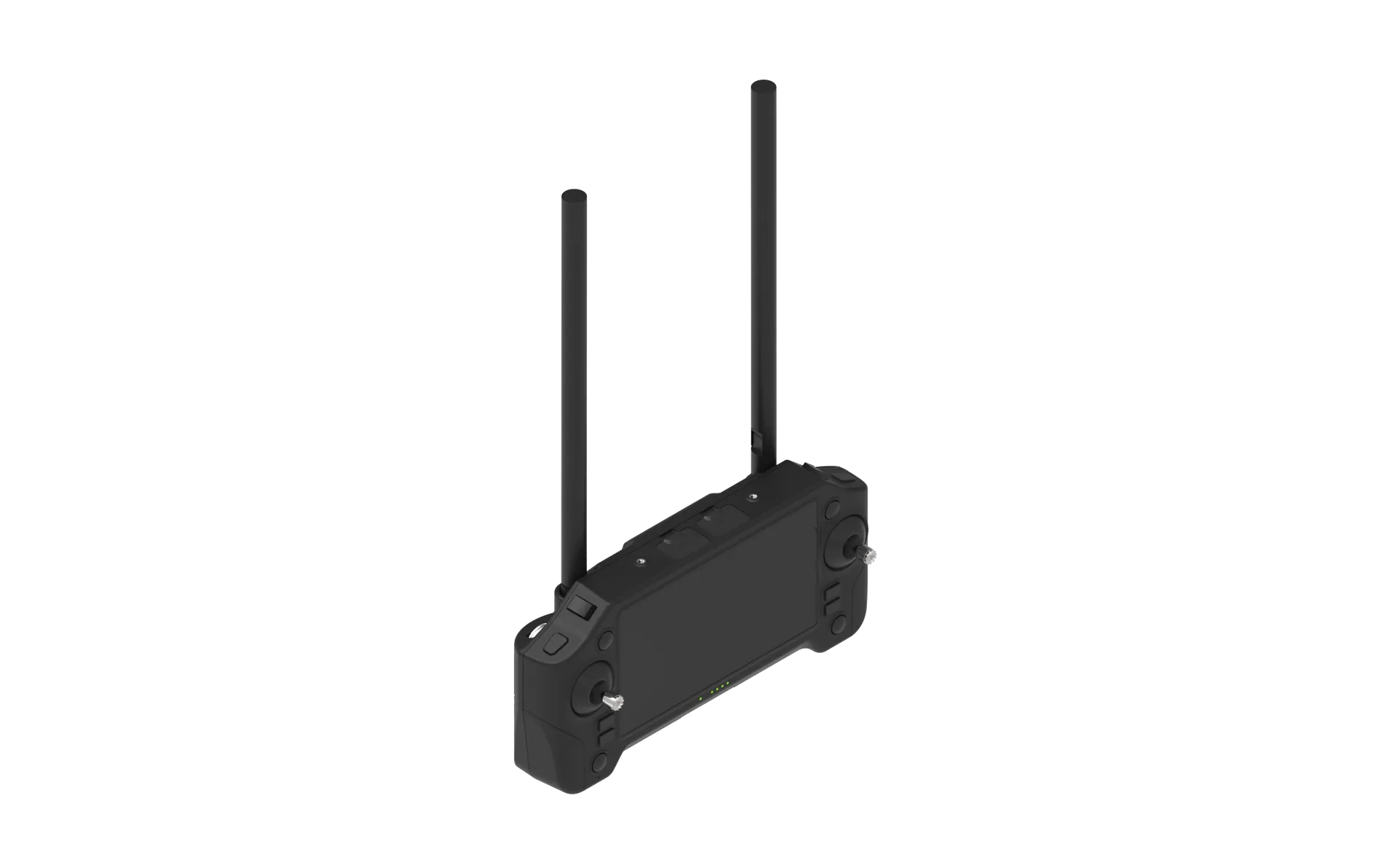
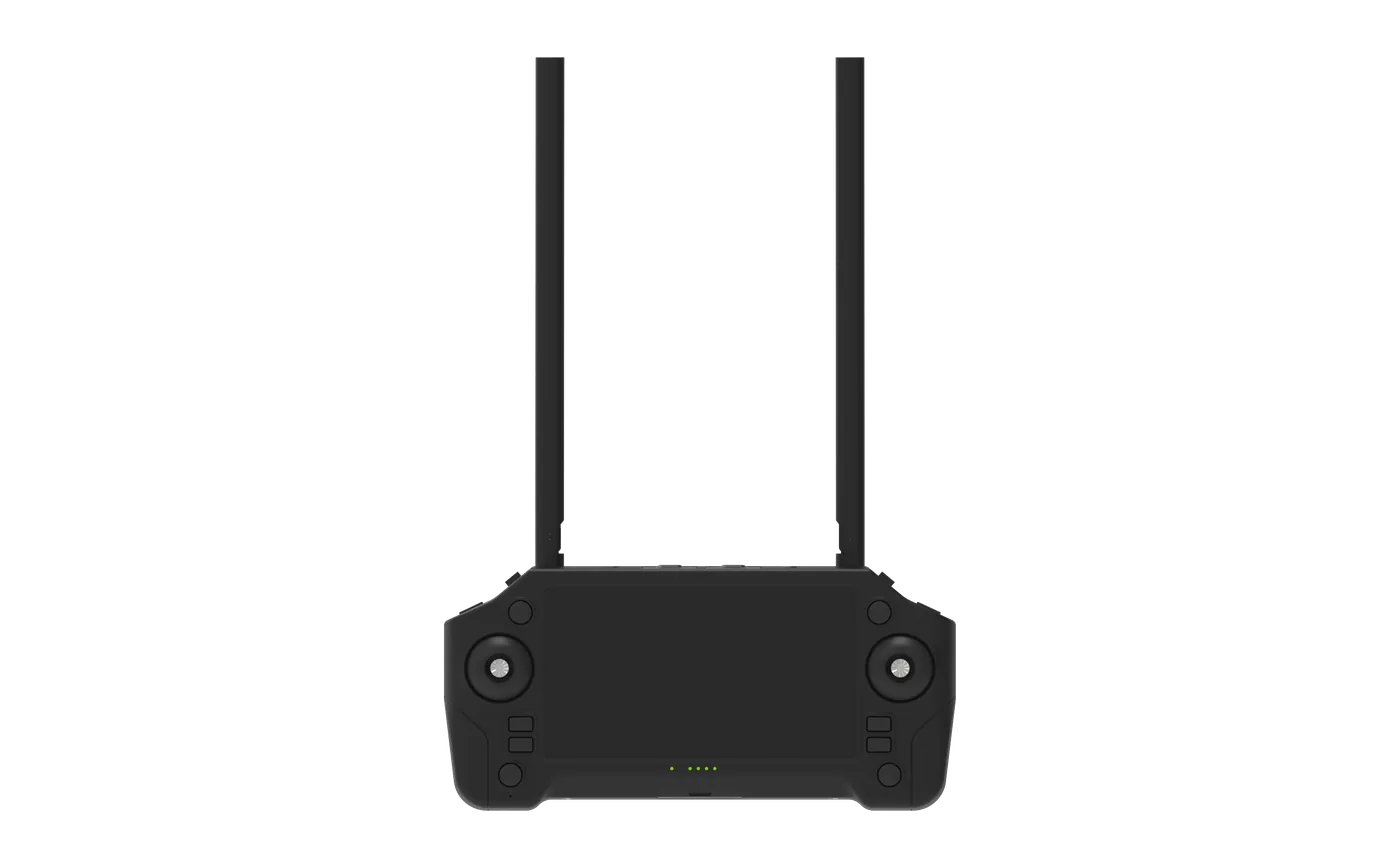
A plugin-extensible AI command framework enabling full-domain heterogeneous unmanned system coordination — closing the complete Sense-Plan-Strike-Assess operational loop for complex multi-system missions.
One System.
Total Domain
Awareness.
The SG GCS is built on a "command software framework + plugin extension" architecture, enabling seamless integration of new capabilities without system redesign. It serves as the central nervous system connecting all combat units with multi-level command resources.
Information flows upward from individual units to command, while orders penetrate downward from command to individual units — creating a unified "Sense-Control-Strike-Assess" situational control capability for military operations, border management, and law enforcement.
Complete Operational Loop: Sense → Plan → Strike → Assess
Intelligent Mission Planning
Two-level mission planning architecture — airborne autonomous planning for swarm and cluster missions, and command-level planning for high-level task decomposition. The command terminal significantly reduces operator planning burden through AI-assisted route optimization and target allocation.
Denied-Environment Navigation
Maintains full operational capability in GPS-denied and communication-link-denied environments. The system uses multi-source data fusion navigation, redundant path transmission, and self-healing mechanisms to complete assigned missions even in heavily contested electronic warfare environments.
Heterogeneous Platform Coordination
Single terminal control of heterogeneous unmanned systems — drones, unmanned ground vehicles, and robotic platforms simultaneously. Full compatibility with all Star United Flight Control UAV series plus third-party unmanned systems via standard interfaces.
Sense-Plan-Strike-Assess (SPSA) Loop
The SG GCS closes the complete operational loop: multi-source target sensing, AI-assisted mission planning, autonomous strike execution, and real-time battle damage assessment (BDA). The system fuses data from EO/IR sensors, radar, and partner platforms to build a unified operational picture, then autonomously allocates strike resources and evaluates post-strike effects.
Anti-Jamming & Counter-Control
Designed for contested electromagnetic environments. The GCS implements frequency-hopping communication, encrypted data links, and autonomous mission continuation logic that maintains operational effectiveness even when communication links are degraded or jammed. Counter-control logic detects and resists hostile takeover attempts.
Operational Domains
Military Operations
Border Management
Law Enforcement
Request a GCS Demonstration
Our systems engineers can provide live demonstrations of the SG GCS for qualified defense and government procurement teams.
Schedule a DemonstrationField-Hardened for Frontline Deployment
The SG GCS is designed to operate in the same harsh environments as the platforms it commands — from desert heat to high-altitude cold-weather operations.
Where SG GCS Commands Operations
The SG GCS serves as the unified command backbone across defense strike missions and persistent ISR surveillance — coordinating heterogeneous UAV fleets in real time.
Defense & Military
Tactical Strike · Swarm Coordination · Battle Management
SG GCS enables 1-operator → 64-unit swarm coordination, real-time battle damage assessment, and multi-platform fire control for FL-Series tactical UAVs and VTOL ISR assets.
ISR & Surveillance
Intelligence · Surveillance · Reconnaissance · Relay
SG GCS integrates EO/IR, SAR radar, and comms relay payloads into a unified command picture — providing persistent wide-area coverage with AI-assisted target recognition and tracking.
Also See
6 Tactical Deployment Configurations
Man-portable, catapult, vehicle-mounted, shipborne, UAV+UGV, and robotic dog coordination — all commanded by SG GCS.
RC5B GCS Frequently Asked Questions
Common questions from defense and commercial procurement teams about the RC5B Ground Control System