

Portable, Vehicle & Shipborne
UAV Deployment Systems
Plan deployment around the operating environment, mounting, power, data, operator workflow, safety constraints and acceptance requirements.
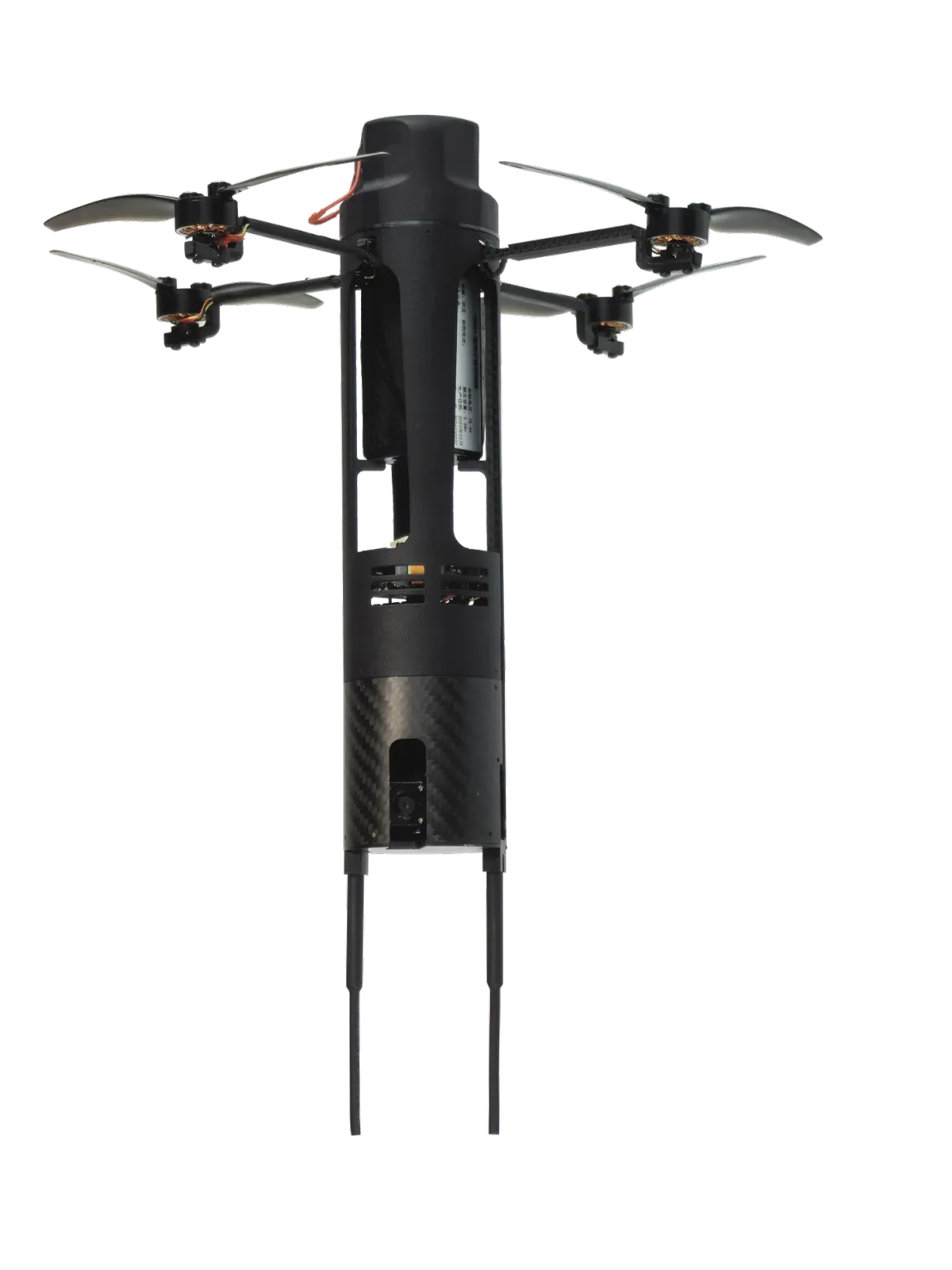 Portable
 Launch Packages
Field-Deployable System Configuration
Portable deployment is planned around carry mass, launch method, operator workload, site safety, setup sequence and command-link checks. Throw, tube or compact launcher options are matched to the selected aircraft configuration.
| Launch method | Throw / tube / compact launcher |
| Support equipment | Portable |
| Operator workflow | Project-defined |
| Acceptance | Setup and launch test |
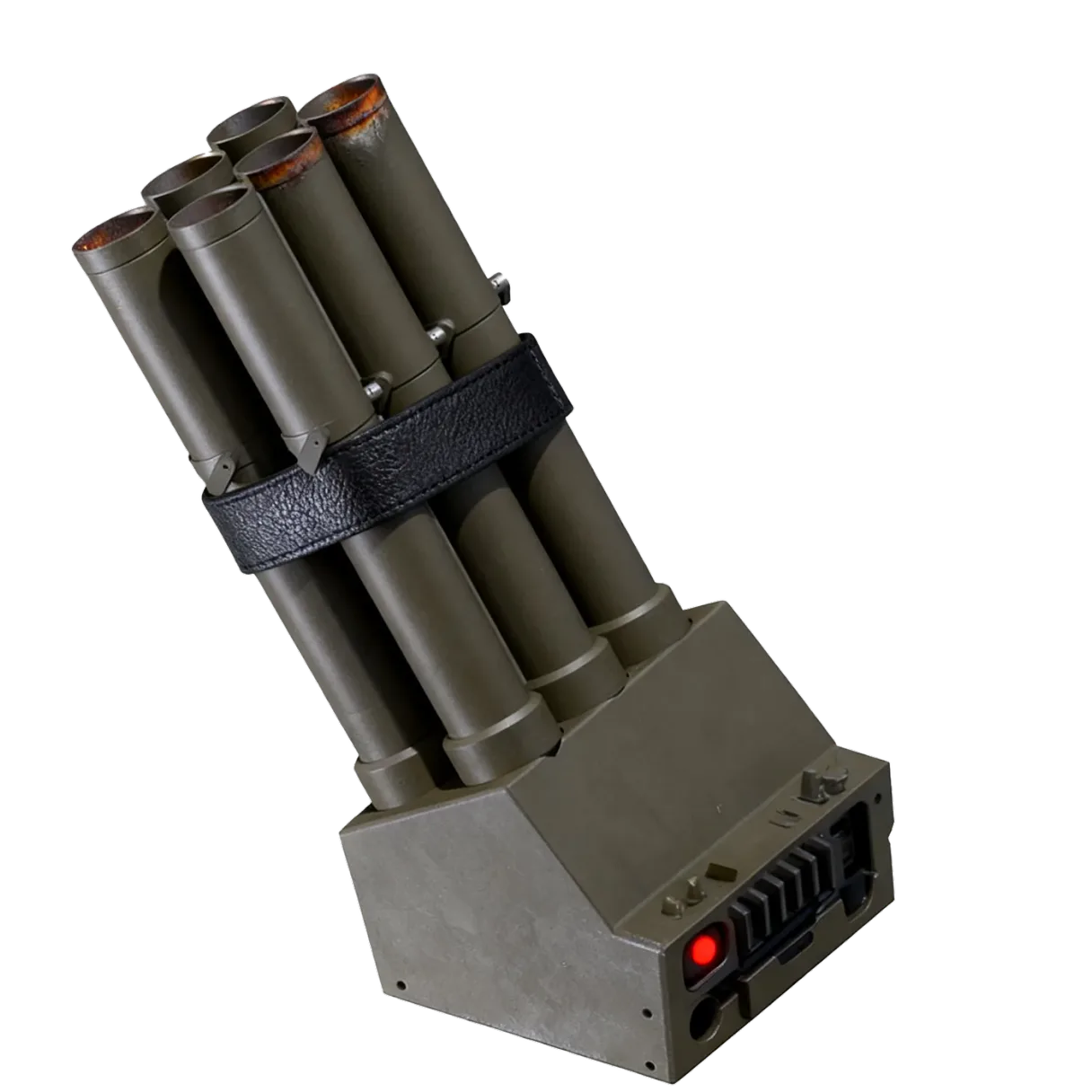 Vehicle-Mounted
 Integration
Mobile Launch and Command Package
Vehicle integration defines mounting, structural loads, power, data interfaces, operator position, launcher safety arcs and maintenance access before installation and field acceptance.
| Mounting | Vehicle-specific |
| Power | Platform interface review |
| Data | Project-defined |
| Acceptance | Installation and field test |
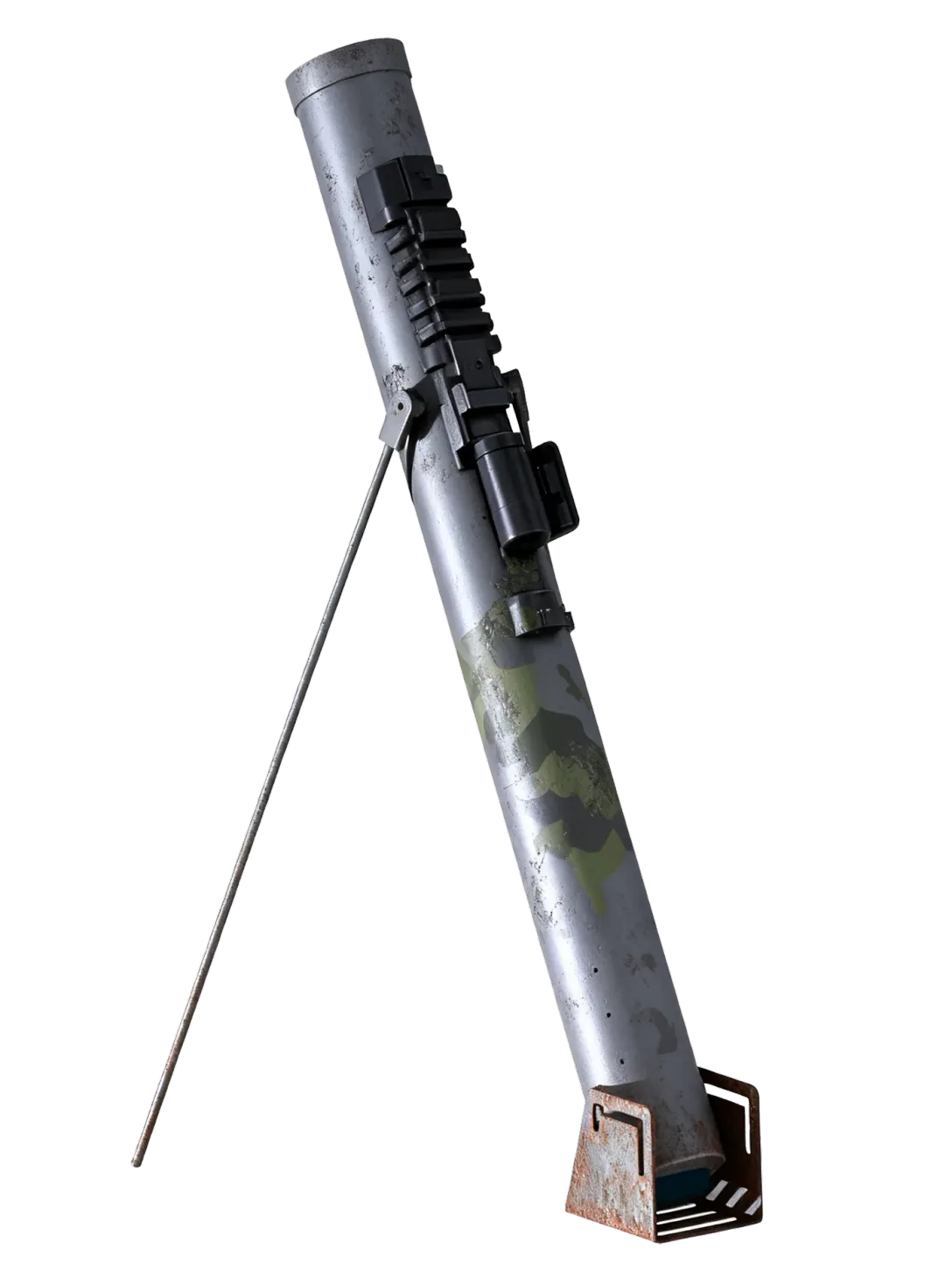 Shipborne
 Integration
Marine Launch and Control Configuration
Shipborne deployment assesses installation zone, vessel motion, marine exposure, electromagnetic compatibility, power and data interfaces, operator workflow and staged harbor or sea-trial acceptance.
| Installation | Deck / superstructure |
| Environment | Marine integration review |
| Interfaces | Project-defined |
| Acceptance | Harbor and sea trial |
Mount, Power, Data and Field Acceptance
Portable, vehicle and shipborne deployment all follow the same engineering logic: define the installation boundary, verify interfaces and complete staged acceptance in context.
Mount
Loads, access, safety arcs
Power
Supply and protection
Data
Command and telemetry
Acceptance
Installation and field test
Request a Deployment
Integration Consultation
Tell us the deployment environment and platform constraints. Our engineering team will review the integration scope and identify the documentation and validation steps required.