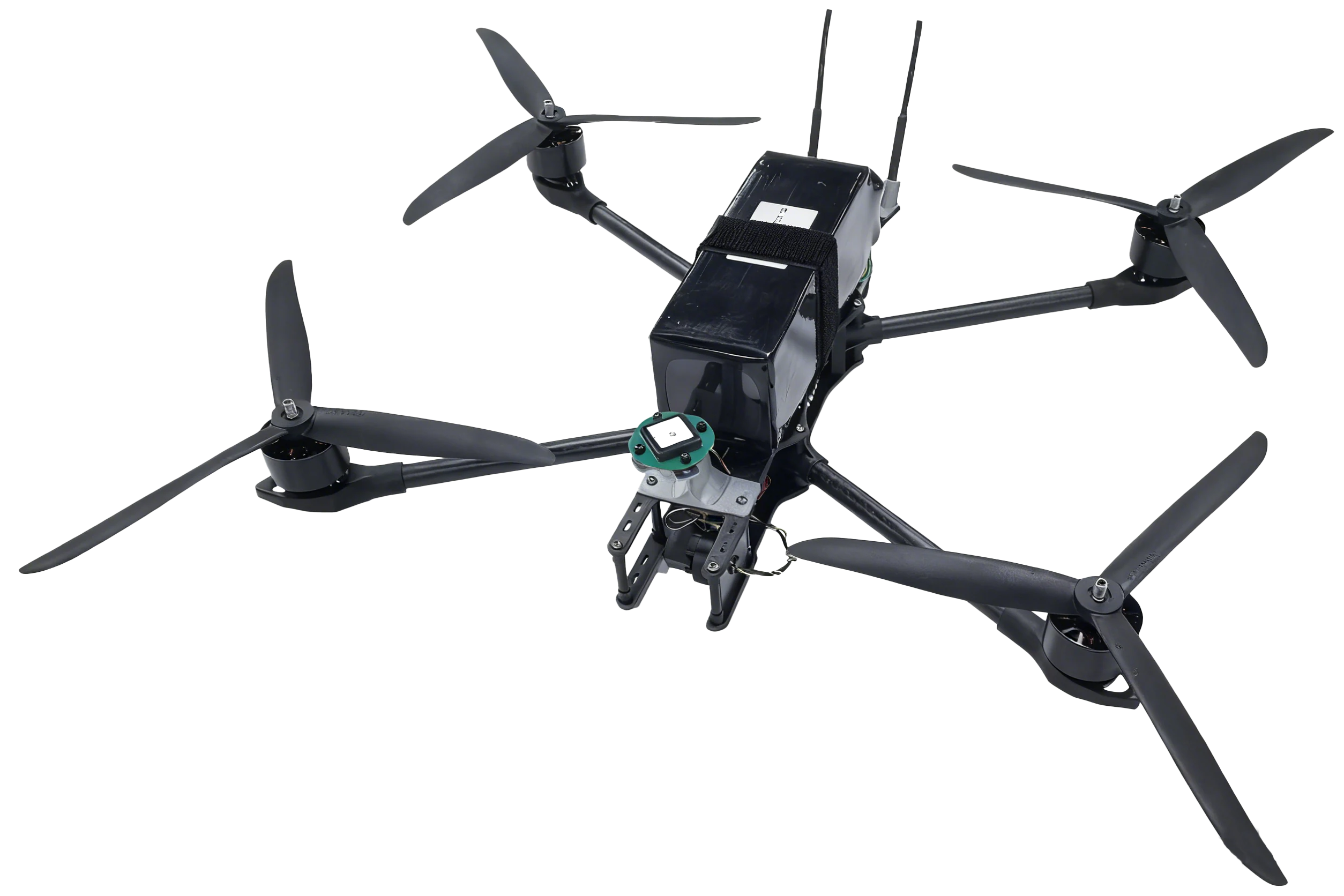
Loitering Munition vs. Traditional Artillery: A Tactical Comparison for Modern Warfare
As modern battlefields demand greater precision and operational flexibility, loitering munitions are increasingly displacing traditional indirect fire systems. This analysis examines the tactical, economic, and operational trade-offs between the two approaches.
The Shifting Calculus of Precision Strike
The artillery piece has dominated land warfare for centuries. From Napoleon's "God of War" to the howitzers of World War II, massed indirect fire has been the decisive instrument of ground combat. Yet the past decade has witnessed a fundamental disruption: the rise of the loitering munition — a precision-guided, man-in-the-loop strike system that combines the persistence of reconnaissance with the lethality of a missile.
Understanding the tactical trade-offs between these two paradigms is essential for defense procurement officers, military planners, and systems integrators evaluating modern strike capabilities.
What Is a Loitering Munition?
A loitering munition (also called a "kamikaze drone," "suicide drone," or "loitering attack munition") is an unmanned aerial vehicle designed to fly to a target area, loiter while searching for or confirming a target, and then dive into the target to detonate its warhead. Unlike conventional missiles, loitering munitions can:
- Abort the mission and return if no valid target is found
- Provide real-time video of the target before engagement
- Engage moving targets with terminal guidance
- Be operated by a single soldier with minimal training
The Star United Flight Control FL-Series represents this category, with four models ranging from the 550g FL350 (soldier-portable) to the 12kg FL1050 (battalion fire support platform).
Head-to-Head Comparison
| Dimension | Traditional Artillery | Loitering Munition |
|---|---|---|
| Strike Accuracy (CEP) | 50–200m (unguided) / 5–10m (Excalibur) | ≤1.5–3m |
| Time to Target | 30–90 seconds (fire mission) | 5–30 minutes (loiter + engage) |
| Operator Training | Months to years (crew-served) | Hours to days (single operator) |
| Collateral Damage Risk | High (area effect) | Low (point target) |
| Cost per Round | $800–$180,000 (Excalibur GPS) | $5,000–$80,000 |
| Abort Capability | None after firing | Yes — full mission abort |
| Target Verification | None (fire-for-effect) | Real-time video confirmation |
| Minimum Range | 3–5km (safety exclusion) | 0–100m (direct engagement) |
| Logistics Footprint | Very high (ammunition, vehicles) | Very low (man-portable) |
| Terrain Limitation | Line-of-sight to target area | Minimal (autonomous flight) |
Where Loitering Munitions Excel
1. Urban and Complex Terrain
Traditional artillery is severely constrained in urban environments. Minimum safe distances, collateral damage concerns, and the inability to engage targets inside buildings or on the reverse slope of structures make artillery a blunt instrument in cities. Loitering munitions navigate these environments autonomously, engaging specific floors, windows, or vehicle positions with sub-3-meter accuracy.
2. Rapidly Moving Targets
A conventional artillery round is ballistically committed the moment it leaves the barrel. Against a vehicle moving at 30km/h, the target will have traveled 25–50 meters by the time the round arrives — often outside the lethal radius. Loitering munitions with terminal guidance continuously track and correct their flight path, achieving ≤1.5m CEP against targets moving at up to 10m/s (Star United Flight Control FL750 specification).
3. Denied or Contested Environments
When artillery positions are suppressed, destroyed, or unable to establish line-of-sight, loitering munitions launched from concealed positions can still engage targets at range. The Star United Flight Control FL1050 offers 30–100km control range, enabling engagement well beyond the forward line of troops.
4. Small Unit Operations
A squad of four soldiers cannot carry a howitzer. They can carry four FL350 loitering munitions in standard grenade pouches. This democratization of precision strike capability — extending it to the individual soldier level — represents a fundamental shift in tactical doctrine.
Where Traditional Artillery Remains Superior
1. High-Volume Area Suppression
When the mission requires suppressing a large area — neutralizing an enemy assembly area, delivering smoke or illumination, or conducting counter-battery fire — traditional artillery's high rate of fire (4–8 rounds per minute for a 155mm howitzer) remains unmatched. A battery of six howitzers can deliver 24–48 rounds per minute; no current loitering munition system approaches this volume.
2. All-Weather Operations
Most current loitering munitions have operational wind limits (typically Level 5–6 Beaufort) and reduced effectiveness in heavy rain or fog. Artillery is largely weather-independent.
3. Extended Range Deep Strike
The M982 Excalibur GPS-guided round achieves 40–57km range. The Star United Flight Control FL1050's 100km variant approaches this, but traditional long-range artillery systems (HIMARS, PzH 2000) with ranges of 70–300km still hold an advantage for deep strike missions.
The Convergence: Hybrid Force Structures
The most effective modern force structures do not choose between artillery and loitering munitions — they integrate both. Artillery provides volume and range; loitering munitions provide precision and persistence. The SG GCS (Ground Control System) is designed precisely for this integration, enabling a single command terminal to coordinate loitering munition strikes alongside other fire support assets within a unified operational picture.
The tactical conclusion is clear: for precision engagement against point targets, moving vehicles, and urban objectives, loitering munitions offer decisive advantages over traditional indirect fire. For volume suppression and deep strike, artillery remains the instrument of choice. The future belongs to commanders who can seamlessly integrate both.
Star United Flight Control FL-Series: Loitering Munitions for Every Echelon
The Star United Flight Control FL-Series provides loitering munition capability at every level of the tactical hierarchy:
- FL350 (550g): Individual soldier, squad-level engagement, 3km range
- FL750 (3kg): Vehicle-mounted, company-level fire support, 6km range, ≤Φ1.5m CEP
- FL950 (2kg): Platoon-level swarm operations, 1:64 coordination, 4km range
- FL1050 (12kg): Battalion fire support, 30–100km range, 65m/s terminal speed
Contact our defense systems team to discuss tactical integration and procurement options.