State Estimation & Sensor Fusion
Combine inertial, air-data, satellite-navigation and compatible auxiliary sensor inputs into a stable estimate of aircraft attitude, position and motion.
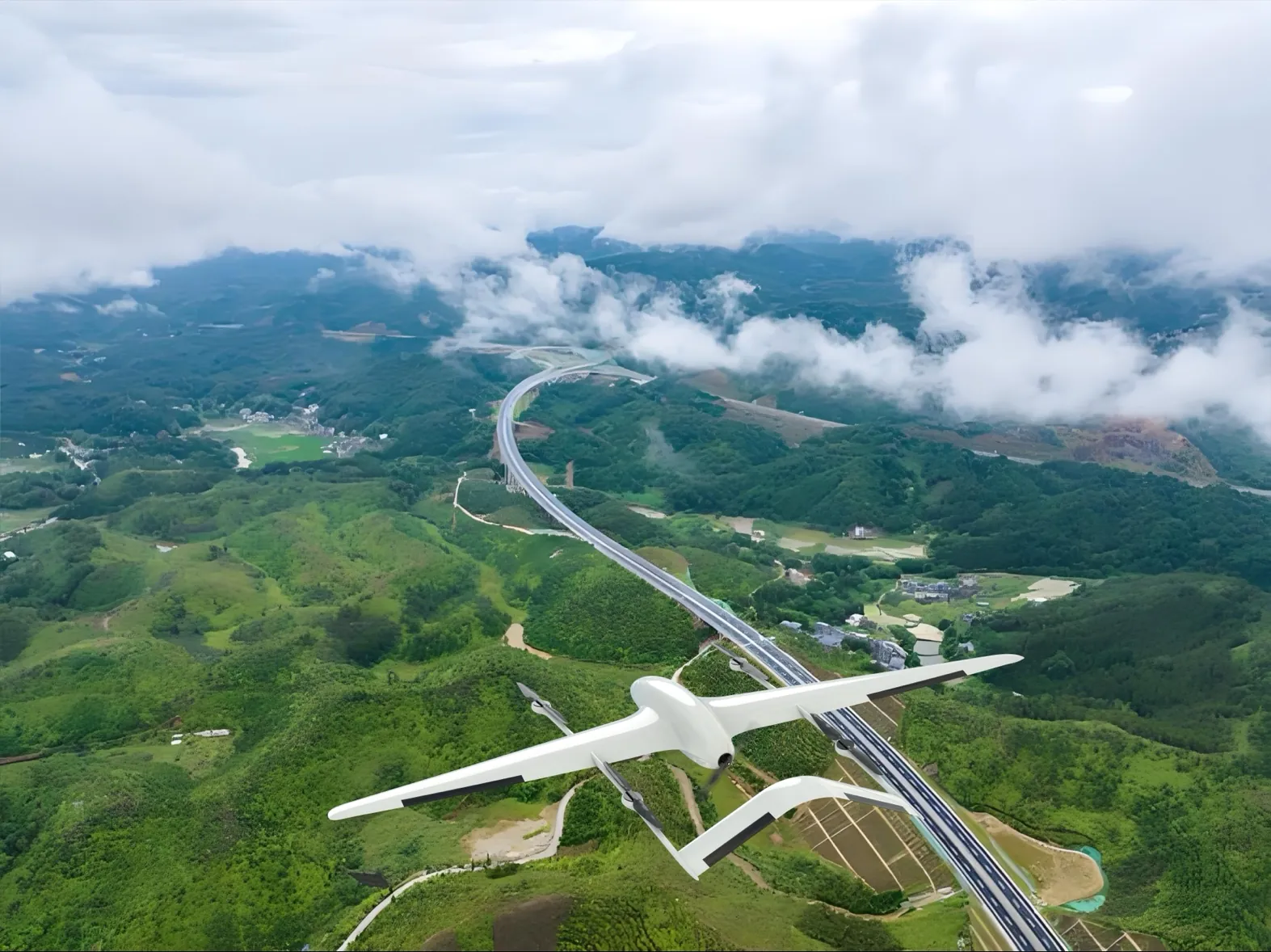
Engineer the onboard sensing, guidance, control, navigation and safety functions that keep fixed-wing, VTOL and rotary UAVs stable, predictable and aligned with the mission plan.
A flight controller is one component. A complete flight-control system connects sensing, state estimation, guidance, control, navigation, safety and aircraft interfaces.
Combine inertial, air-data, satellite-navigation and compatible auxiliary sensor inputs into a stable estimate of aircraft attitude, position and motion.
Translate waypoints, routes, altitude profiles and mission states into guidance commands appropriate for fixed-wing, VTOL or rotary platforms.
Manage control surfaces, motors and propulsion states to maintain stability, follow the commanded trajectory and transition between flight modes.
Support project-specific inertial, visual and multi-sensor navigation strategies where GNSS availability or communications cannot be assumed.
Define link-loss, navigation-loss, energy, envelope and recovery behaviors around the aircraft, mission and operating environment.
Integrate compatible payload commands, telemetry, data links and mission-computer functions through defined electrical and software interfaces.
Coordinates vertical launch, transition, efficient fixed-wing cruise, approach and vertical recovery within one mission state machine.
View platformPrioritizes stable hover, localized maneuvering, payload-aware control and safe response to propulsion or energy constraints.
View platformBalances rapid deployment, portable hardware, mission autonomy and communications resilience within tighter size and power limits.
View platformCustom flight control is an integration and verification program, not a single software setting. Each stage defines evidence for the next.
Review OEM/ODM engineering supportCapture aerodynamic configuration, actuators, propulsion, payload, operating envelope, mission modes and safety constraints.
Define navigation sensors, data links, onboard computing, interfaces, power budgets and redundancy appropriate to the project.
Develop or adapt flight modes, guidance logic, control parameters, transitions, mission execution and failsafe behavior.
Exercise normal and off-nominal states through staged software, hardware and integration testing before flight expansion.
Expand the envelope against agreed mission criteria, record results and refine parameters under a controlled test plan.
A UAV flight control system is the onboard hardware and software that estimates aircraft state, maintains stability, executes guidance commands, manages flight modes and applies safety logic. It may include a flight controller, autopilot functions, navigation sensors, actuator interfaces and mission-computer integration.
Flight control runs onboard the aircraft and controls its motion in real time. A ground control station gives operators tools for mission planning, telemetry, payload control and supervision. The two exchange commands and data, but they solve different parts of the system architecture.
Yes. Customization can cover aircraft configuration, sensors, interfaces, flight modes, transition logic, mission behavior and failsafes. Scope depends on the airframe, avionics, required evidence and test program.
Project-specific navigation resilience can combine inertial, visual or other compatible sensor inputs. Performance must be validated against the selected sensors, environment, computing platform and mission conditions; it should not be assumed from the flight controller alone.
Share the airframe, avionics, operating envelope, flight modes and integration constraints. Our team will outline a flight-control development and validation path.